The Concept of Imamat in Ismaili Theology
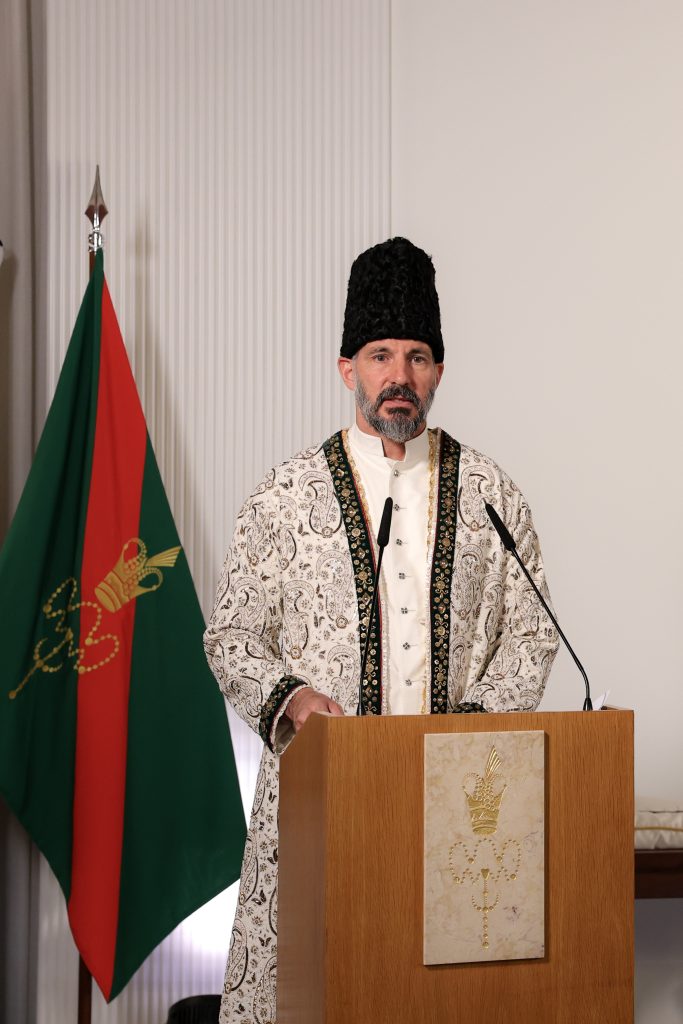
The Concept of Imamat in Ismaili Theology:
Introduction
Imamat is a central concept in Ismaili theology, representing a significant divergence from mainstream Sunni and Shia thought. While both Sunni and Shia Muslims share the belief in the leadership and guidance of the Prophet Muhammad (PBUH), Ismailis hold a unique perspective regarding the nature of spiritual and temporal leadership after the death of the Prophet. In Ismaili theology, the Imamate is not just a political position but a divine institution, with profound theological, spiritual, and esoteric dimensions.
This thesis will explore the concept of Imamat within Ismaili theology, examining its origin, its development, its role in the spiritual life of Ismaili Muslims, and the unique understanding of the Imam as a divinely appointed, living guide.

1. The Foundation of the Imamate Concept
The concept of Imamat in Ismailism is rooted in the belief that after the Prophet Muhammad (PBUH), leadership of the Muslim community was not to be determined by human election or consensus, but through divine appointment. The Imamate is viewed as a continuation of the Prophet’s mission, with the Imam serving as the spiritual and temporal leader of the Muslim community. This perspective emerges from the Qur'anic teachings and the Hadiths (sayings of the Prophet), but it also incorporates esoteric interpretations unique to Ismailism.
1.1 Qur'anic Basis of the Imamate
Ismaili scholars interpret certain Qur'anic verses as supporting the notion of a divinely appointed leadership. Key verses such as Surah Al-Ma'idah (5:55), which mentions "Your ally is none but Allah and His Messenger and those who have believed – those who establish prayer and give zakah, while they bow," are understood to refer to the Imam. According to Ismaili interpretation, this verse highlights the position of the Imam as one who holds the authority to guide the community after the Prophet’s death.
Additionally, the concept of a "successor" or "heir" to the Prophet Muhammad (PBUH) is often derived from the event of Ghadir Khumm, where the Prophet allegedly declared Imam Ali to be his successor. Ismailis believe that the Imamate was not limited to the physical leadership but also involved spiritual and esoteric knowledge, which was passed down through an unbroken chain of Imams.
1.2 Historical Roots
The concept of Imamat first crystallized following the death of Prophet Muhammad (PBUH), when disagreements arose over the rightful successor. While the Sunni majority accepted Abu Bakr as the first Caliph, the Shia believed that Imam Ali, the Prophet's cousin and son-in-law, was divinely appointed as his successor. Ismailis, a branch within the broader Shia tradition, argue that the Imamate is not only a political leadership but a continuous spiritual authority passed down through a line of divinely appointed Imams.
2. The Role of the Imam in Ismaili Theology
The role of the Imam in Ismaili theology is multifaceted, encompassing both spiritual and temporal aspects. The Imam is considered to be the divinely guided leader of the Muslim community, providing both religious and worldly guidance.
2.1 The Imam as a Spiritual Leader
The Imam, according to Ismaili belief, is not only a leader but a spiritual guide who has been endowed with esoteric knowledge and wisdom that allows him to interpret the Qur'an and the teachings of the Prophet Muhammad (PBUH) in a deeper, more profound manner. This knowledge is known as ilm al-ladunni, which is believed to be directly bestowed upon the Imam by God.
The Imam's teachings are seen as essential for understanding the deeper meaning of Islam, and they enable followers to achieve spiritual enlightenment. This view emphasizes the esoteric nature of Ismaili Islam, in contrast to the exoteric (literal) interpretations found in other sects of Islam.
2.2 The Imam as a Temporal Leader
In addition to his spiritual role, the Imam also holds a temporal leadership role. This leadership is not based on political power, but rather on the Imam’s ability to provide guidance on worldly matters in accordance with divine will. The Imam’s decisions, therefore, are seen as divinely inspired and authoritative, impacting both the individual lives of followers and the broader community.
In Ismailism, the Imam is viewed as a guide for both spiritual and everyday matters, making decisions that ensure the prosperity and well-being of the community. He is seen as the protector of the faith, ensuring the continuity of the Ismaili tradition and the interpretation of religious principles in light of changing times.
2.3 The Imam as the Infallible Guide
The Ismaili belief in the Imam's infallibility is one of the distinguishing features of the sect. The Imam is considered to be sinless, and his actions and decisions are believed to be divinely guided. This infallibility is essential to Ismaili theology, as it ensures that the Imam’s guidance remains true and uncorrupted, allowing the community to follow him without fear of misguidance.
3. The Lineage of the Imamate
In Ismaili tradition, the Imamate is passed down through the descendants of Ali and Fatimah, the daughter of Prophet Muhammad (PBUH). The Ismaili branch specifically traces its Imamate to the line of Imam Ismail, the seventh Imam, who was designated as the rightful successor to his father, Imam Jafar al-Sadiq.
3.1 The Historical Development of the Imamate
The line of Imams in Ismaili theology continued through successive generations, each Imam taking on the mantle of spiritual leadership. This line includes key figures such as Imam Ali, Imam Ismail, and the Fatimid Caliphs, who were prominent political leaders as well as spiritual guides in the Mediterranean world during the medieval period.
The Imamate, however, is not just a biological succession; it is viewed as a divinely ordained continuity. Each Imam is believed to be chosen by God to lead, with the Imam’s knowledge and authority being transferred through the generations in a manner that transcends ordinary human understanding.
3.2 The Current Imam
The current Imam of the Ismaili community is His Highness Prince Karim Aga Khan, who is regarded as the 49th Imam in the Nizari Ismaili tradition. He continues to serve as the spiritual leader and guide for millions of Ismailis worldwide. The Aga Khan’s leadership extends beyond religious guidance to include efforts in global development, humanitarian aid, and the promotion of pluralism and tolerance.
4. The Imamate and the Ismaili Community
The relationship between the Imam and the Ismaili community is based on devotion, trust, and spiritual guidance. The Imam is regarded as the ultimate authority, and his guidance influences not only the religious practices of Ismailis but also their social, economic, and cultural life.
4.1 Rituals and Practices
The Imamate plays a vital role in Ismaili rituals. For example, the recitation of the Du'a (supplication) is one of the central practices in Ismaili daily life, with the Imam’s name being invoked in prayer. The Ismailis believe that the Imam's presence and guidance are always with them, even when he is not physically present.
4.2 The Imam and Ismaili Institutions
The Imam’s role extends to the governance of Ismaili institutions, which include schools, hospitals, and development organizations. These institutions are viewed as an extension of the Imam's will, designed to promote the welfare of the community and uphold the values of Islam. The Aga Khan Development Network (AKDN) is one of the most significant examples of the global impact of the Ismaili Imamate in promoting social welfare and development.